

Rejection
An update on my querying journey


My Instagram algorithm thinks it knows who I am and what I want. I go back and forth between thinking it can see into the deepest depths of my soul and deciding it’s a sinister piece of insensitive shit that doesn’t fucking know me at all.
This year I found myself (involuntarily) on the receiving end of countless reels and photo carousels posted by writers I do not know, either celebrating their book deals or finally signing with an agent. The knife slides a little further into my tender little crab heart each time I’m forced to stare at another (better? luckier?) writer clutching an “agented” funfetti cake, or the now-entirely-too-familiar red and blue book deal screenshotted from Publisher’s Marketplace. I don’t know any of these people, and yet Adam Mosseri knows I want to be one of them. Is it supposed to be encouraging? Being forced to watch other people I’ll never meet get the thing I’ve been working at every day for two years now?
I started querying my first novel in January. Starting last winter, I spent roughly $4,000 in therapy working on one thing I was previously not very good at: handling rejection. My goal was to figure out how to not take it personally when an agent passes on my book for literally any reason: It didn’t fit their list; it’s not the exact cowboy horror romance they’re in the mood for; they already have a book “just like it.” They didn’t connect with my protagonist; they don’t know how to pitch it to editors; there’s just something missing but they can’t explain what it is. Throughout this period of self-improvement, I grew another organ next to my liver responsible for processing and detoxifying every rejection before it passed through me, sometimes in the form of tears. The more I practiced, the more efficient this tiny little try-hard muscle became. Last Thursday I officially graduated from Rejection School™ with a gold star from my therapist, but some of the hurt still lives inside me, couch-surfing in the hollow space behind my heart.
By the time the end of summer rolled around in October and the weather started to turn, I had sent 100 queries into the ether, hoping for someone – just one person – to say yes. I racked up 7 manuscript requests, 1 R&R, and 57 rejection emails before I decided to quietly put the book in a drawer. Not to die, but to rest for a while while I focus on finishing my second novel and diving back into the query trenches with an entirely new project. I’ll put fresh eyes on it in the spring.
I’ve read dozens of “how I got my agent” essays, but only maybe one or two that describe “how I almost got an agent but ultimately didn’t.” Most people only write about the querying process once they’re successfully on the other side of it. You’ve probably heard that getting a literary agent right now is unbelievably competitive (but not impossible), which to my knowledge is true. Some writers make it seem slick and easy – I got 8 offers of representation after just 4 weeks of querying! – but for most of us, the reality is that it usually takes months or years of rejection to finally get a yes. The novels that actually make it onto the shelf in the bookstore are written by the authors who didn’t give up after hearing hundreds of people tell them no.
So, yes. I almost got an agent this year. If I hadn’t botched my R&R (an opportunity to revise your book to the interested agent’s specifications and resubmit it to them) I’d be writing a different essay right now. I’d be the one with the celebratory cake on Instagram.
For pretty much the entirety of 2025, the looming pressure of querying (past, present, and future) hijacked one entire quadrant of my brain. One humid Friday in late summer, I was lying on my acupuncturist’s table with a dozen tiny needles sticking out of my body with instructions to “enjoy my rest,” and then I proceeded to spend the next 45 minutes obsessively re-arranging sentences in my head. Not the prose of either of my novels – no, I was mentally fucking with my second book’s query letter. Again. A document I don’t need to have ready until March, when I plan on querying it. Four hundred words that have the power to determine if my second novel will be the one that gets me an agent after failing the first time.
No matter where I go, thoughts about my query letters seem to follow. I’ll be minding my own business squeezing avocados at Trader Joe’s when suddenly an idea for a new way to describe my book will pop into my head. Can I say my book has the “LA vibes of an Eve Babitz novel” or does that make me sound like an asshole?
If you have no idea what I’m talking about, let’s go back a step: “querying” is the circle of hell every would-be debut author has to make it through if they want to be traditionally published. It’s the process by which a budding author convinces a literary agent to fall madly in love with a book they’ve written (and polished to the best of their ability), and the query letter is a one page “cover letter” that describes what the book is about and who you are, the person who wrote it. Once you get an agent to say “yes” to your book, then you can try to sell it to an editor.
But the query letter is just a sales tool. It isn’t your novel. Dozens of agents rejected my first novel based on the fact that they didn’t like the “pitch” enough to even read it. I had other agents say in their rejection emails that they loved the pitch, but didn’t connect with the 10 (or so) pages I sent along with the query letter. I had 7 agents request to read the whole book because they liked both the pitch and the pages, which put me somewhere in a queue of all the manuscripts they had requested from other writers, waiting for them to read and react to the entire thing (or however far they got before giving up). Every rejection is unique: I had one agent reject the full because they straight up didn’t like it, one because they didn’t know how to pitch/sell it, and one who loved it (brutal) but ultimately didn’t want to take on the first book in a series. The one that hurt the most was a rejection that said my novel was too similar to a book that was just published in June, six months after I started querying.

Querying is a mental exercise in figuring out how to grin and bear it and go on with your life through seemingly endless months of waiting and rejection. Taste is subjective and timing is everything, which is enough to drive a person straight to the insane asylum if you can’t figure out how to not let rejection paralyze your mind. (Luckily I have an incredible support system!)
When I started the querying process a year ago, I thought I had about 10 pages to convince an agent to read my story. Something I’ve since learned is that you only really get one page; maybe not even that much. The first paragraph – the first sentence – is everything. (No pressure!!! 🙃)
When I was on my honeymoon in August, I went to a really unusual bookstore in Bath, England where they publish mostly out-of-print titles. It’s called Persephone Books, and you should absolutely go if you ever have the chance. Every book cover is the same: a plain, unremarkable light grey. Most of the authors are unknown. Each book has a card posted underneath it with a one sentence descriptor, and that’s it. I spent almost an hour reading the little card for every single book in the store, ultimately opening probably 30 books that piqued my interest and reading the first page, or in some cases, not even that much. Sometimes just a sentence or two was enough to know something wasn’t for me.
This, it turns out, is querying.

I ended up buying one novel from Persephone Books. I actually walked out and then went back for it later once Paul insisted that I did, in fact, have room in my suitcase. I can’t remember exactly what the little description card had written on it, but I do know that it said the book I chose was sci-fi from the 1930s, which immediately made me perk up a bit. Here’s the opening paragraph:
I am writing by the light of a piece of string which I have pushed through a fragment of bacon fat and arranged in an egg-cup. I shall write by night, partly because I can no longer sleep through these ghastly, moonless chasms, and partly because by day I must search for food, and the days are short.
It is hard to believe that this is Notting Hill, and the inky, silent void beneath me is London.
My immediate reaction was: yep, this is for me. I read a few more pages before walking with it to the register, which was essentially me saying “yes, I’d like to read the whole thing” (a full manuscript request). There were maybe 100 books in the store and I wanted to read just one of them. That doesn’t mean I’ll like it, but it means that the description and the first few pages were enough to get me to at least ask for the rest. (Admittedly, I haven’t read it yet.)
Whether I like it or not, we live in an age of short form content. Reading for pleasure is down by 40% over the last 20 years, yet more people than ever have written books and are trying to publish them right now. I am one voice in a sea of thousands.
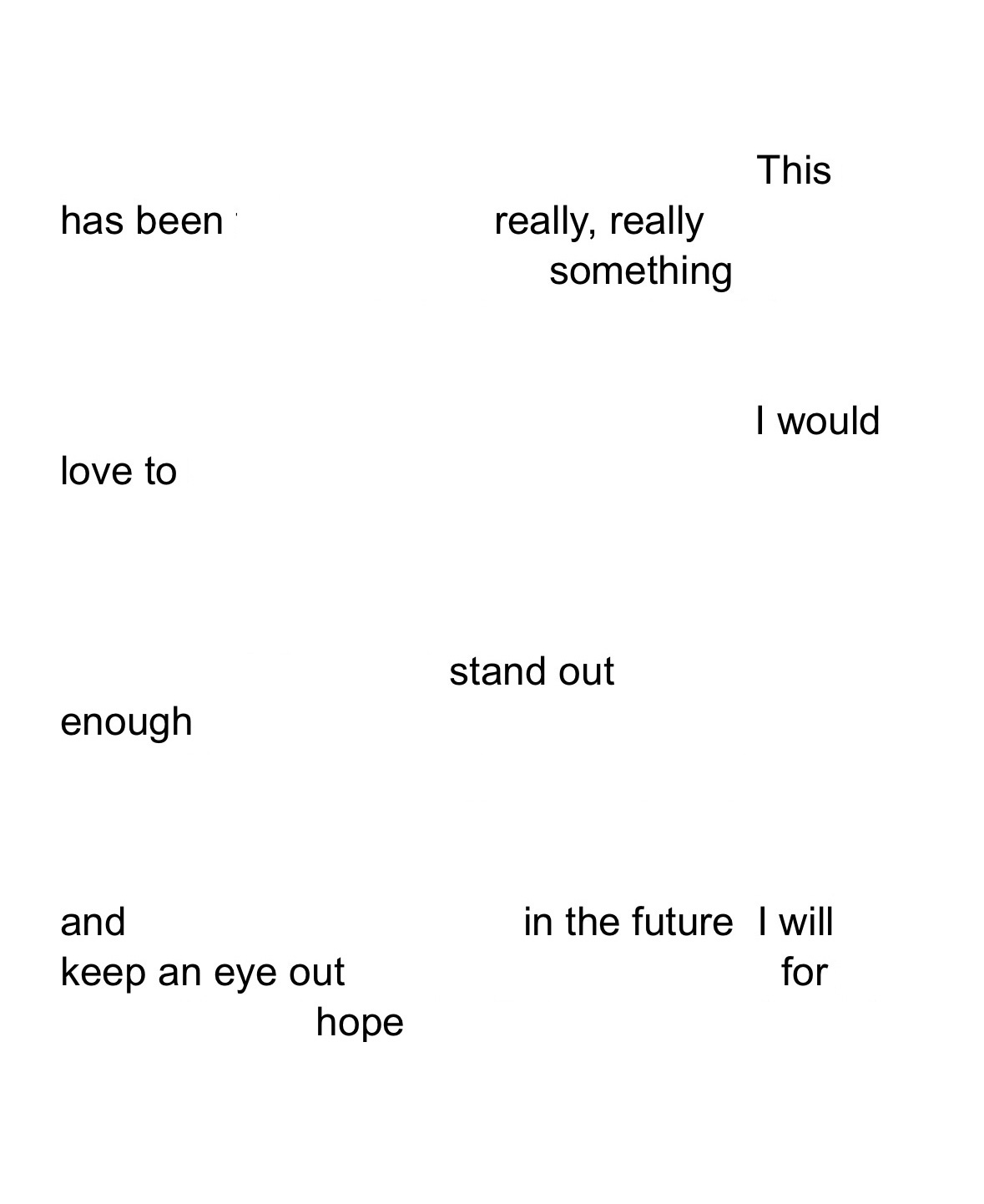
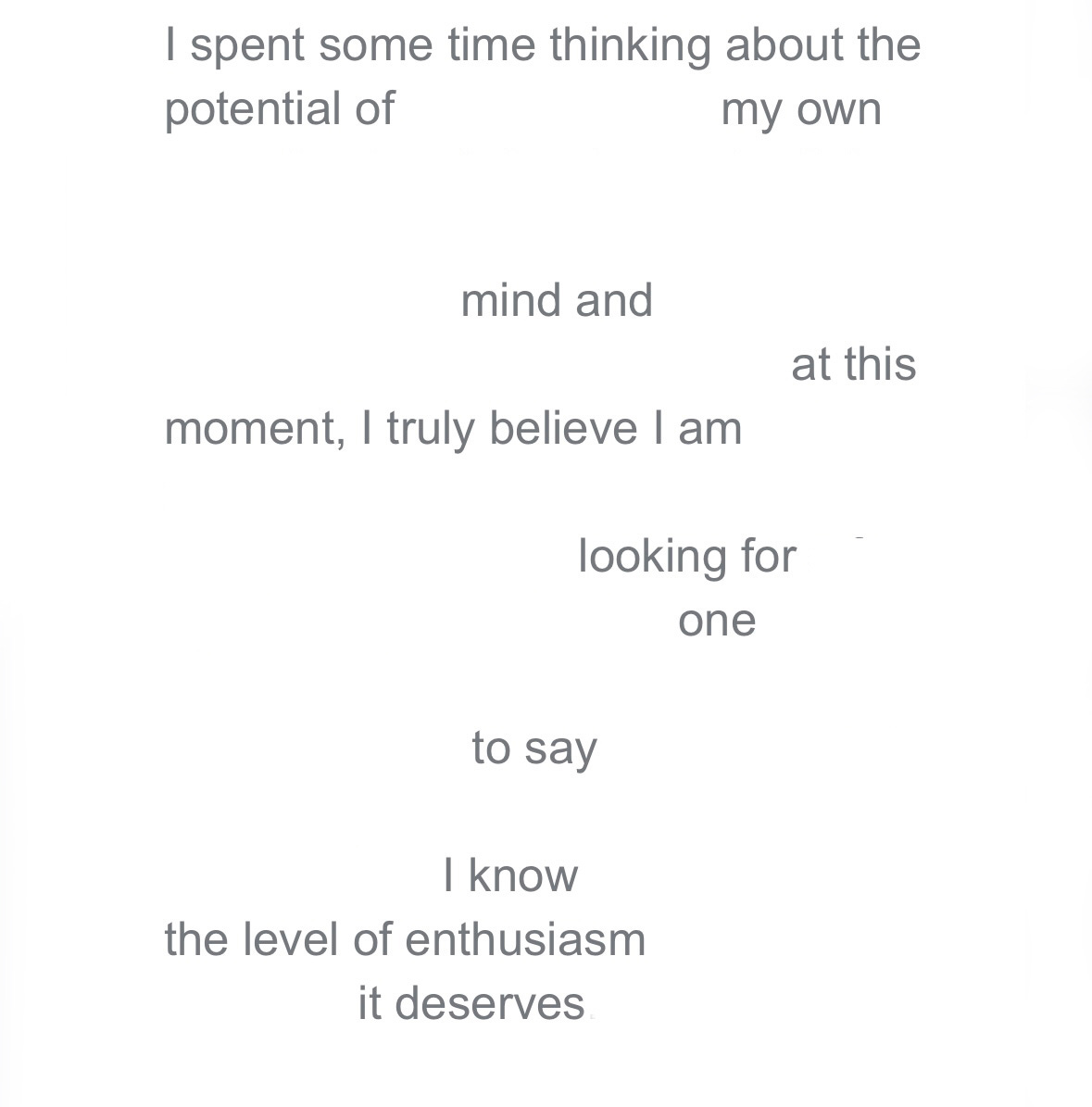
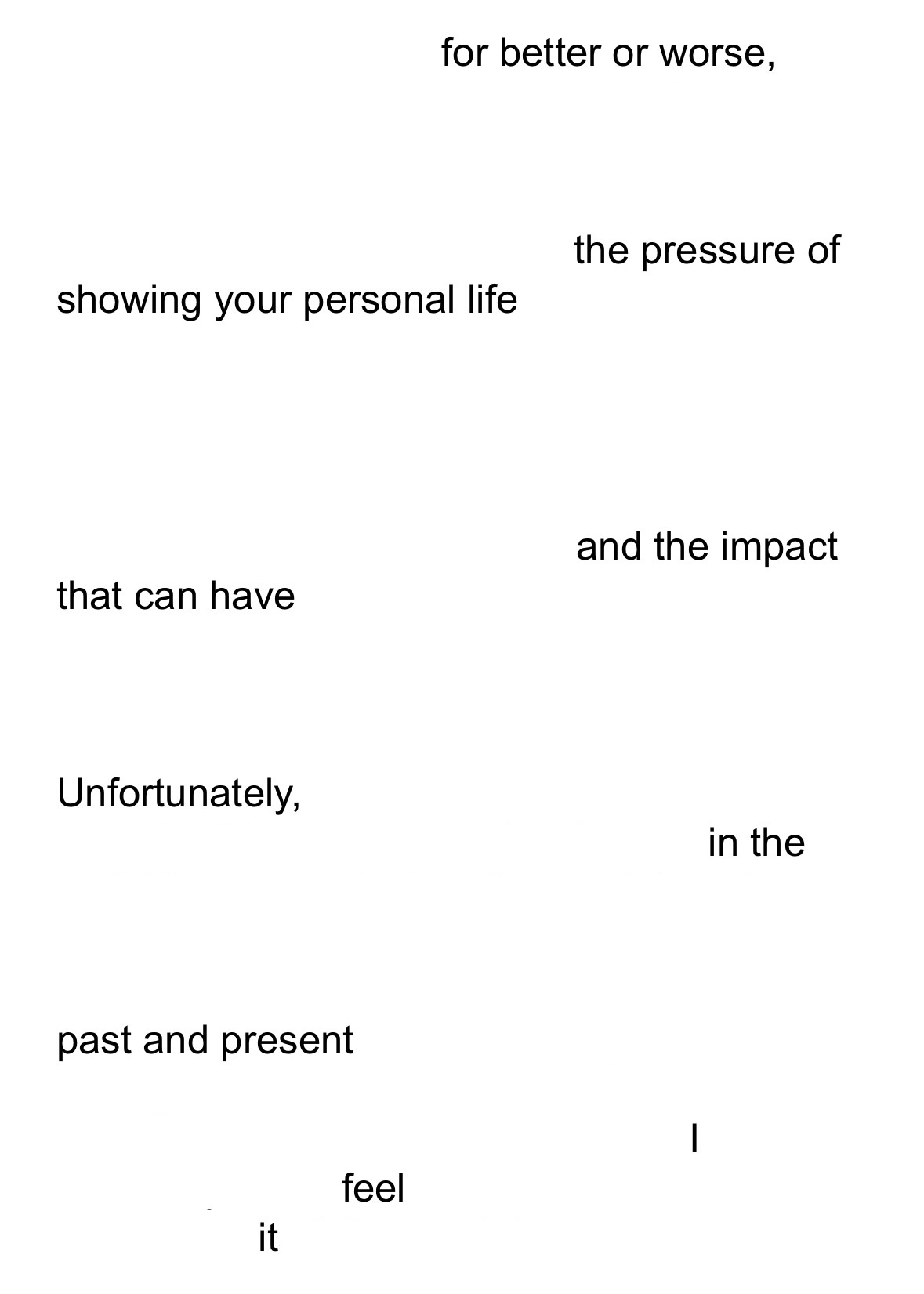
A month or two after our honeymoon, I slipped into a dark, depressing funk that stayed glued to me for weeks (not just related to querying, but it certainly didn’t help). After the person I thought would become my agent rejected my R&R after an agonizing three month wait, I cried for an hour in the bathtub. Then I got out, dried myself off, and in a grief-fueled fury, I opened Photoshop and started making poems out of my 57 rejection emails inspired by one of my favorite poets. This was something I never intended to show anyone else outside of my critique partners who have been there every step of the journey, but revisiting it months later, I find it more empowering than sad?
The following seven poems are real screen shots from my inbox this year with most of the words whited-out so all that’s left is a rejection email transformed into something else. Something better. Something hopeful.
I may not have gotten an agent this year, but I am absolutely not giving up. My second novel corrects what I think are the biggest mistakes I made writing and querying my first book, using everything I learned this year to try again. And while I didn’t win the writing contest I was a finalist in, I still have to believe it’s a sign that I’m on the right track. We start again in 2026. x

1.
2.
3.
4.
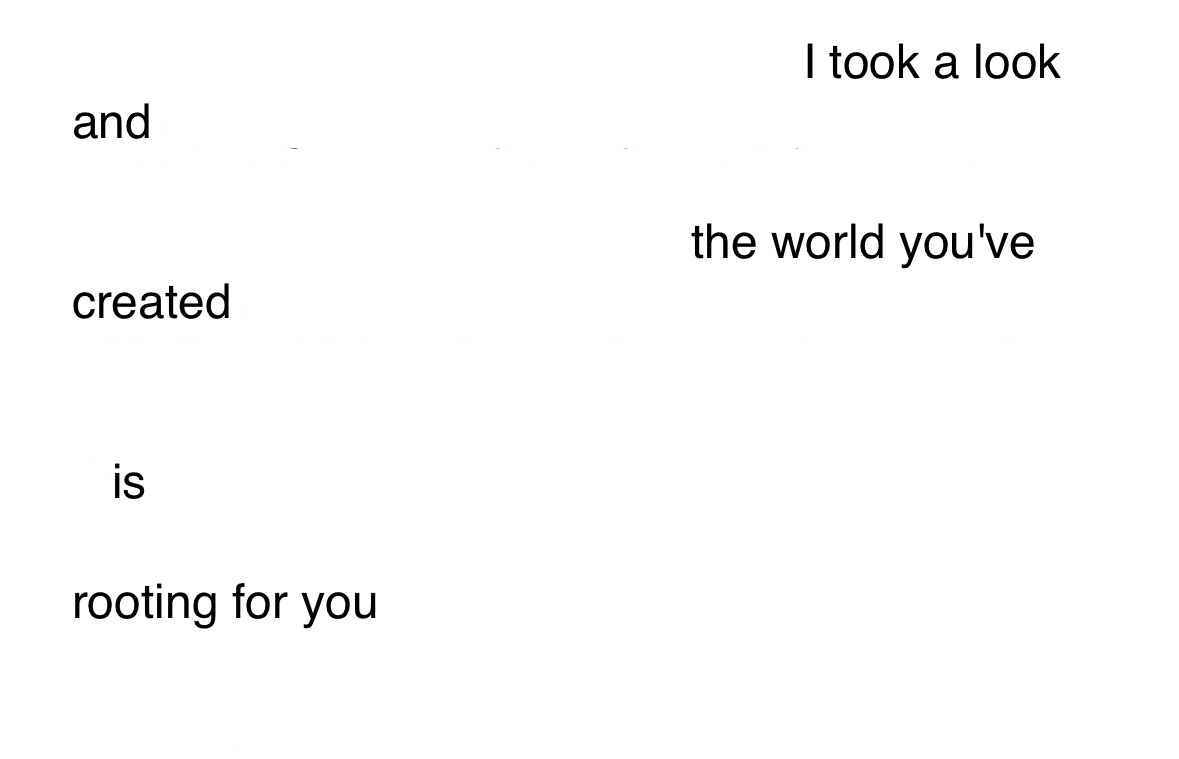
5.
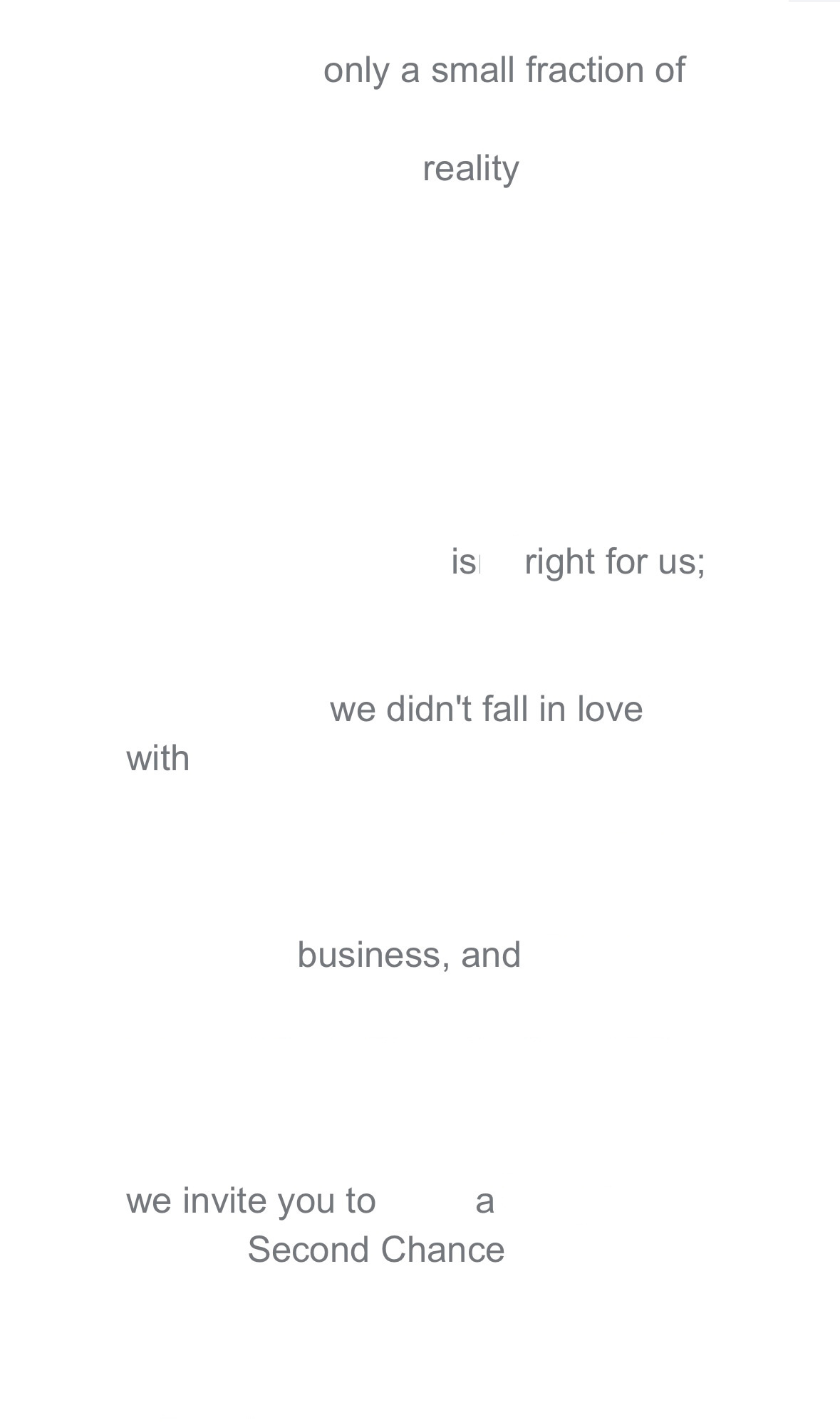
6.
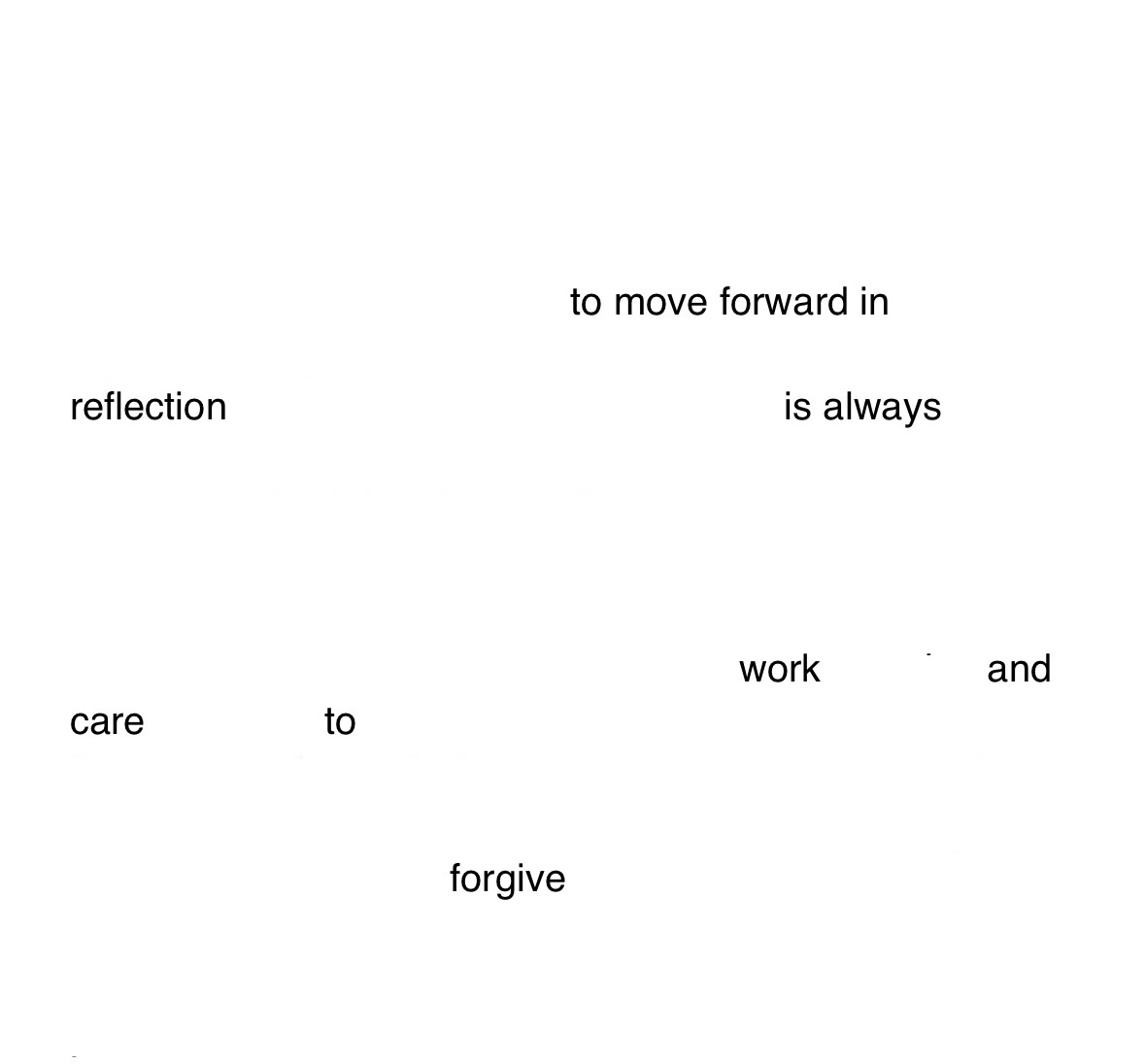
7.
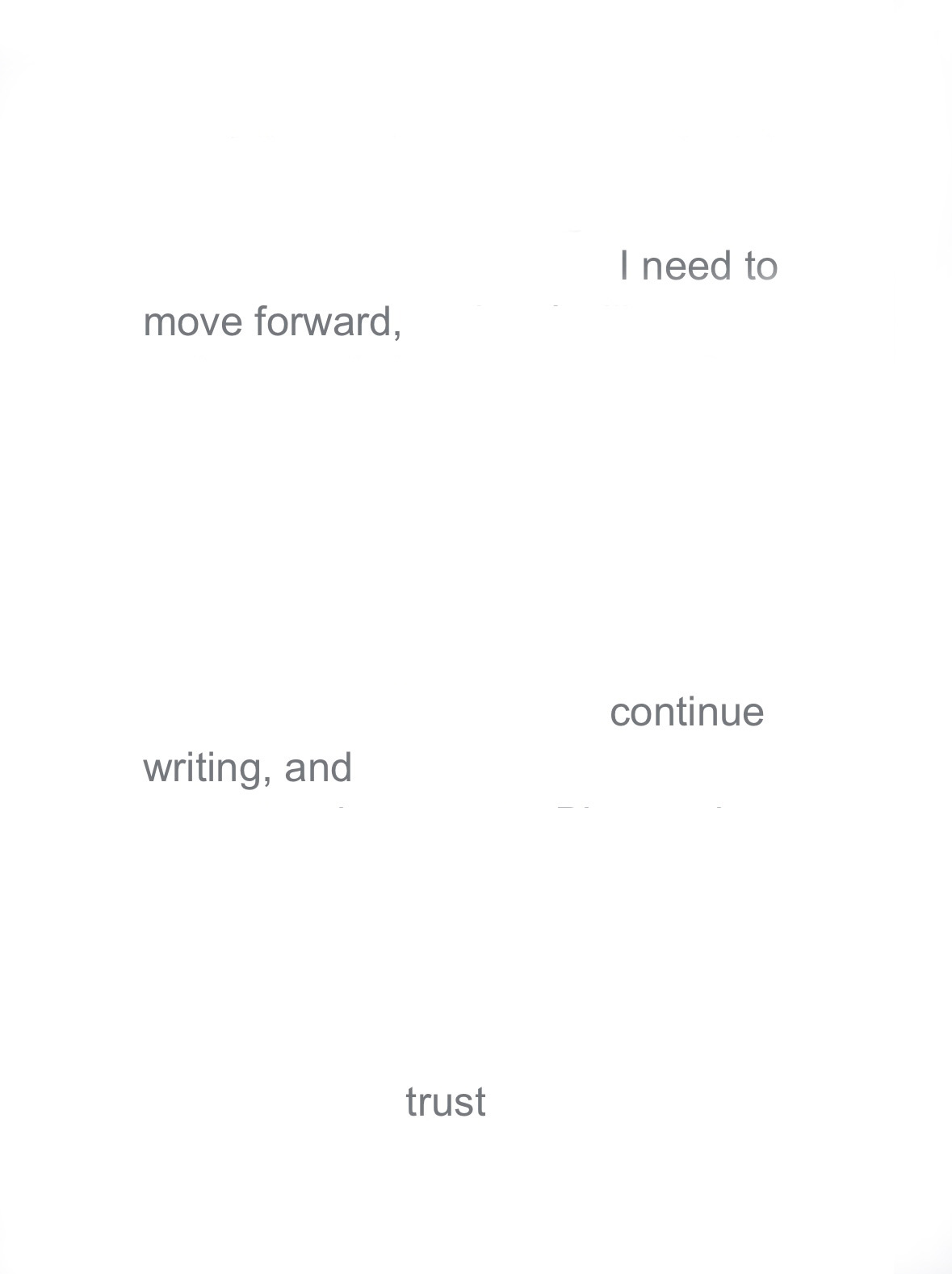
Kelly I love love loved this, and took a screenshot of Poem #4, it made me tear up! Rooting for you and excited to see where 2026 goes :)
These poems you created are beautiful. Sending love and patience and an agent and a book deal to you. 🩷